St. Luke’s Care Saves Man from Rarely-Survived Abdominal Aortic Aneurism
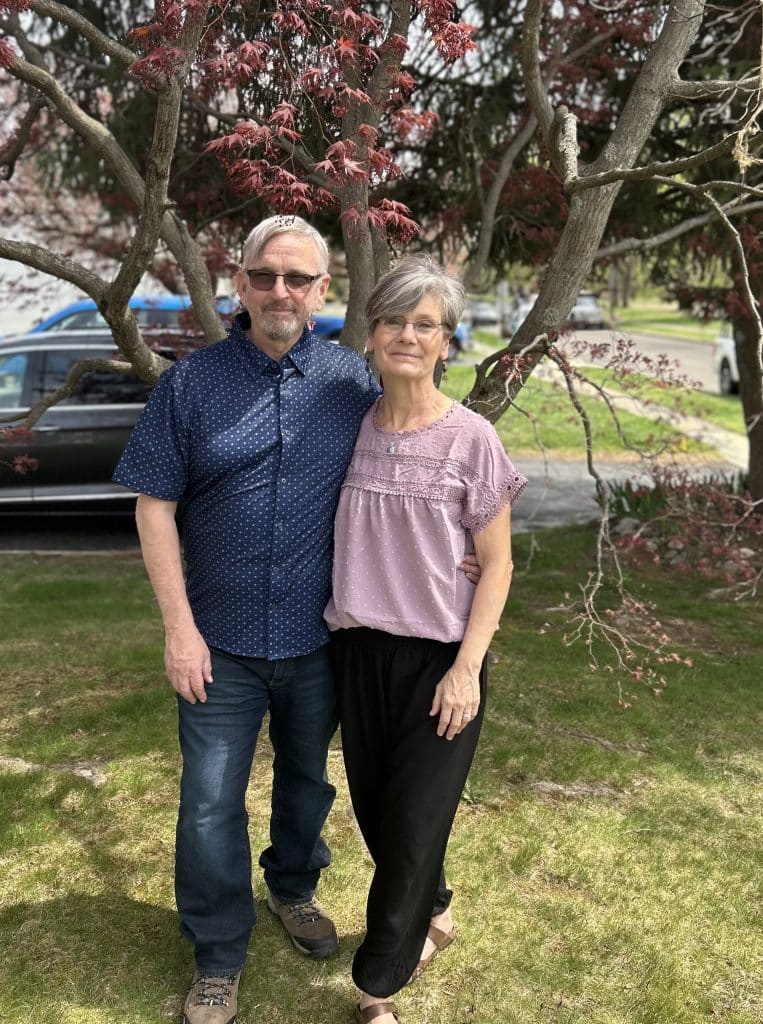
Ed Shope of Warminster, Bucks County, was at his vacation home in Jim Thorpe last August for a gathering to celebrate his granddaughter’s birthday. He had been trying to ignore discomfort in his upper abdomen for a few days when the unthinkable happened: He passed out. His wife Regina called 911 for an ambulance, which took him to the nearby St. Luke’s Carbon Campus.
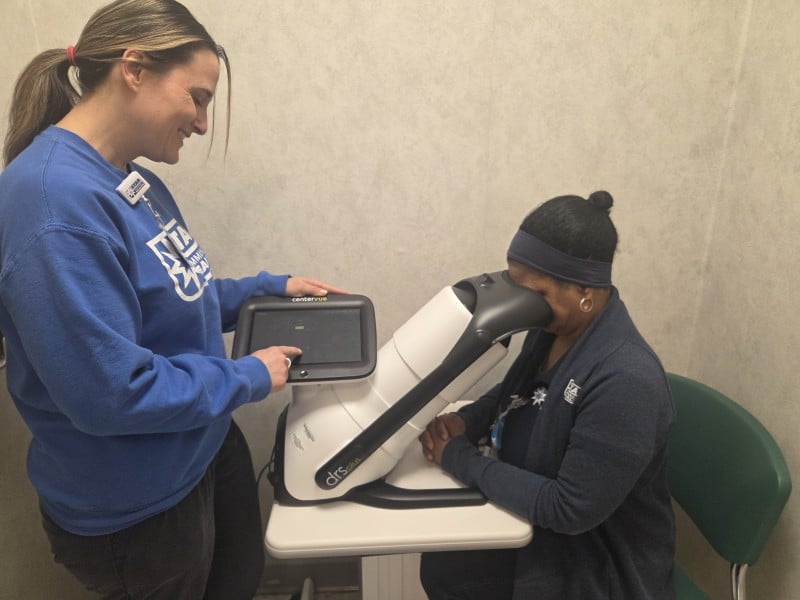
Fedaa Jabir, PA-C, a St. Luke’s physician assistant certified in emergency medicine, put him through a complete workup with blood tests and ordered a CT scan.
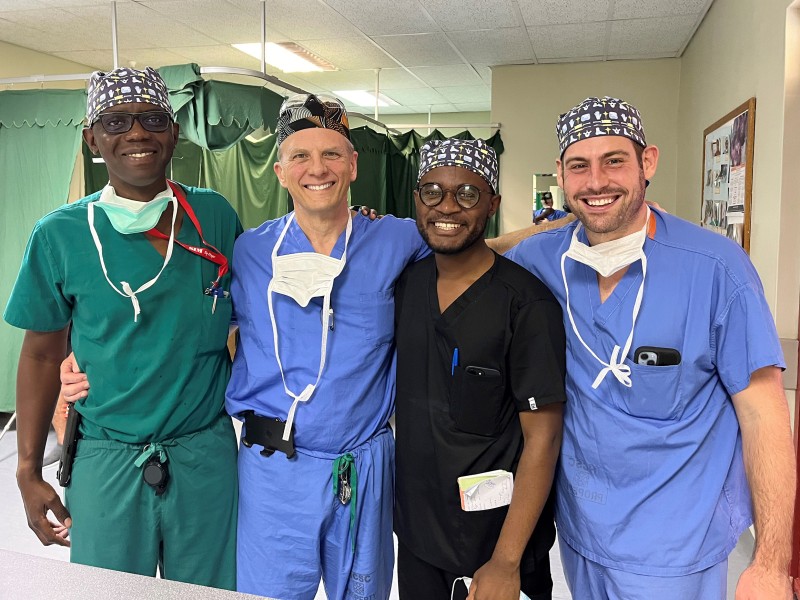
“I was working the emergency department back in August and our PA did the heavy lifting with the workup,” said Daniel Plavin, MD, who practices both family medicine at St. Luke’s Jim Thorpe Primary Care and emergency medicine for St. Luke’s. “He came in with complaints of fainting and abdominal pain, and he did not look good. He was pale, lethargic, in pain, his belly was tender, his blood pressure was low and his respiration was high.”
Dr. Plavin said Ed’s lab work was all over the place, which was a cause for concern. He took an initial look at the CT scan and suspected a ruptured abdominal aortic aneurism (AAA), which is often fatal. He immediately got on the phone to get a radiologist to read the CT scan, which confirmed the diagnosis.
The survival rate for a ruptured AAA is very low. About 50 percent of patients die before even reaching a hospital and the overall mortality rate is greater than 80 percent.
Within minutes, a St. Luke’s Life Flight helicopter transported Ed to St. Luke’s University Hospital in Bethlehem, where St. Luke’s vascular surgeon Michael Qaqish, MD, performed a noninvasive procedure called endovascular abdominal aortic repair (EVAR), which is accomplished by running a catheter through the femoral vasculature rather than opening up the patient’s abdomen or chest.
After the initial fainting spell, Ed, 66, was awake and relatively cognizant throughout the ordeal, including the surgery.
“Dr. Plavin stepped up!” he recalled. “After they wheeled me back from the scan I remember Dr. Plavin said he wanted to take a look at it, and the next thing he and the PA were running down the hall. He came back and told me a helicopter was en route and would take me to Bethlehem. He saved my life because he expedited the scan to be read by radiology.”
Because the house in Jim Thorpe was just a few minutes from St. Luke’s Carbon Campus, other family members were able to get there to say potential last goodbyes and wish Ed good luck before the helicopter spirited him away to Bethlehem.
Even though Ed and Regina live in Warminster, they are sold on St. Luke’s care.
“We were so happy with Dr. Plavin and Dr. Qaqish that we will start seeing a St. Luke’s cardiologist,” Ed said.
Dr. Plavin was surprised by the couple later on when they went to his family medicine practice unannounced to offer personal thanks and a heartfelt thank you note, which read: “Dr. Plavin, you were the start of our beautiful outcome on Aug. 16. Because of your amazing performance and dedication to your profession, you saved Ed’s life. Had you not looked at his scan and rushed for radiology to read them, the outcome would have been different. For that, we are eternally grateful. Your swift action saved him. I thank God for you. Ed and Regina Shope.”
This community health news is brought to you in partnership with St. Luke’s University Health Network.