Fire Co. Makes Case for Expanding Cost Recovery Program
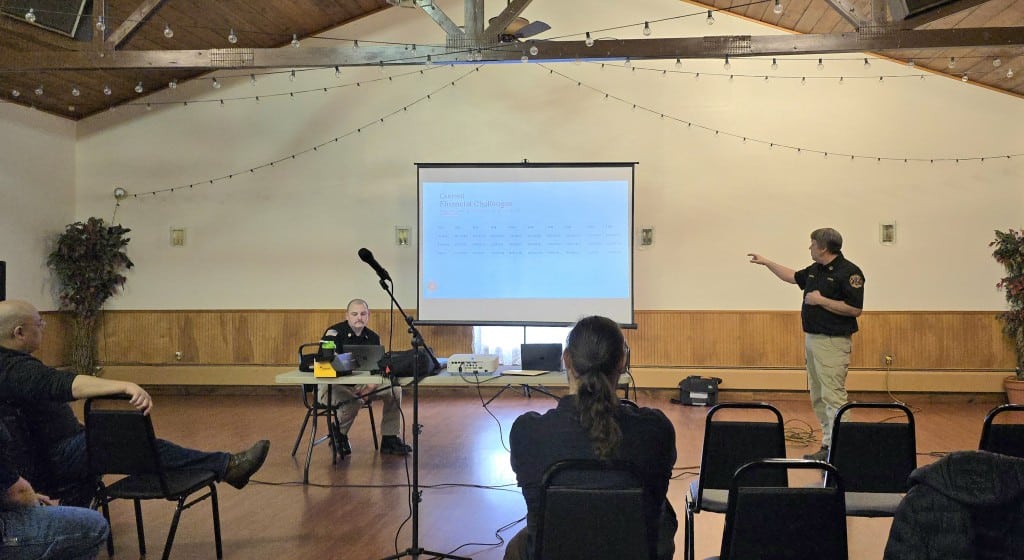
There was a time when fundraising was enough to support the fire company’s operations, but due to precipitous increases in the cost of equipment and other requirements in recent years Lower Saucon Fire Rescue officials say that’s no longer the case.
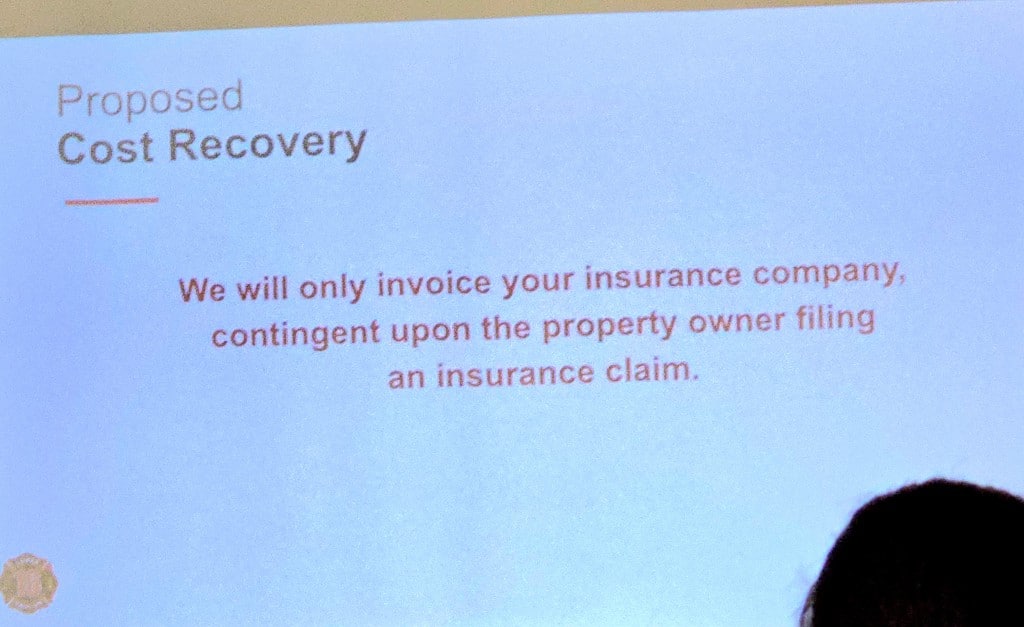
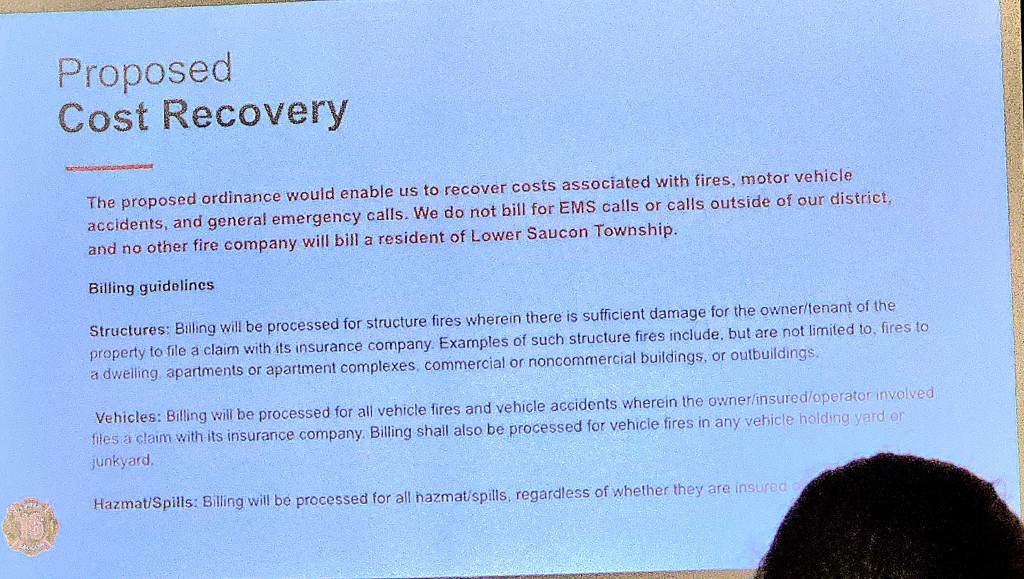
“Bingo and hoagie sales just don’t cut it anymore,” LSFR president Scott Krycia told township residents at a town hall meeting Monday about a proposal to expand the fire company’s cost recovery program so it can bill property insurance companies when it responds to fires. Lower Saucon Fire Rescue already does this when it responds to motor vehicle accidents and Krycia said most homeowners insurance policies include coverage that provides for the reimbursement of local emergency services.
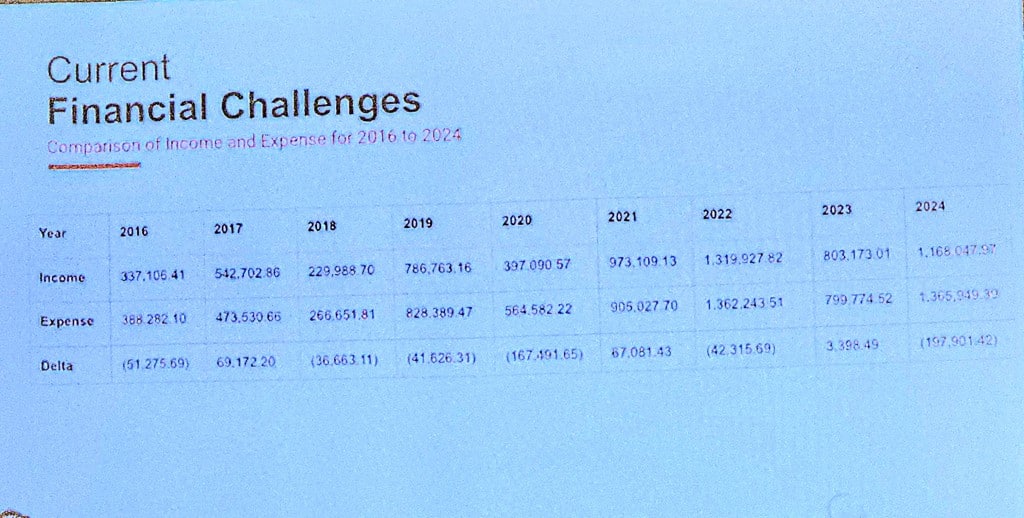
Krycia and fire chief Ty Johnston began the meeting with a presentation outlining just how much the cost of operating Lower Saucon Fire Rescue has gone up in recent years. Johnston noted that with 62 members, LSFR is the largest volunteer fire company in Northampton County and nearly the size of the City of Bethlehem’s fire department, which is a paid department.
According to the presentation, in 2016 a helmet cost $190. Last year, the same piece of equipment cost $500, or about 163 percent more. Krycia said most of the equipment they use has a mandatory 10-year lifespan, which means that it has to be replaced after 10 years even if it is something that has minimal wear. Overall, he said the cost of outfitting a single firefighter roughly tripled between 2016 and 2024, when it cost approximately $23,000 to purchase all of the necessary equipment.
Krycia said the potential impact of proposed tariffs on costs is currently unknown.
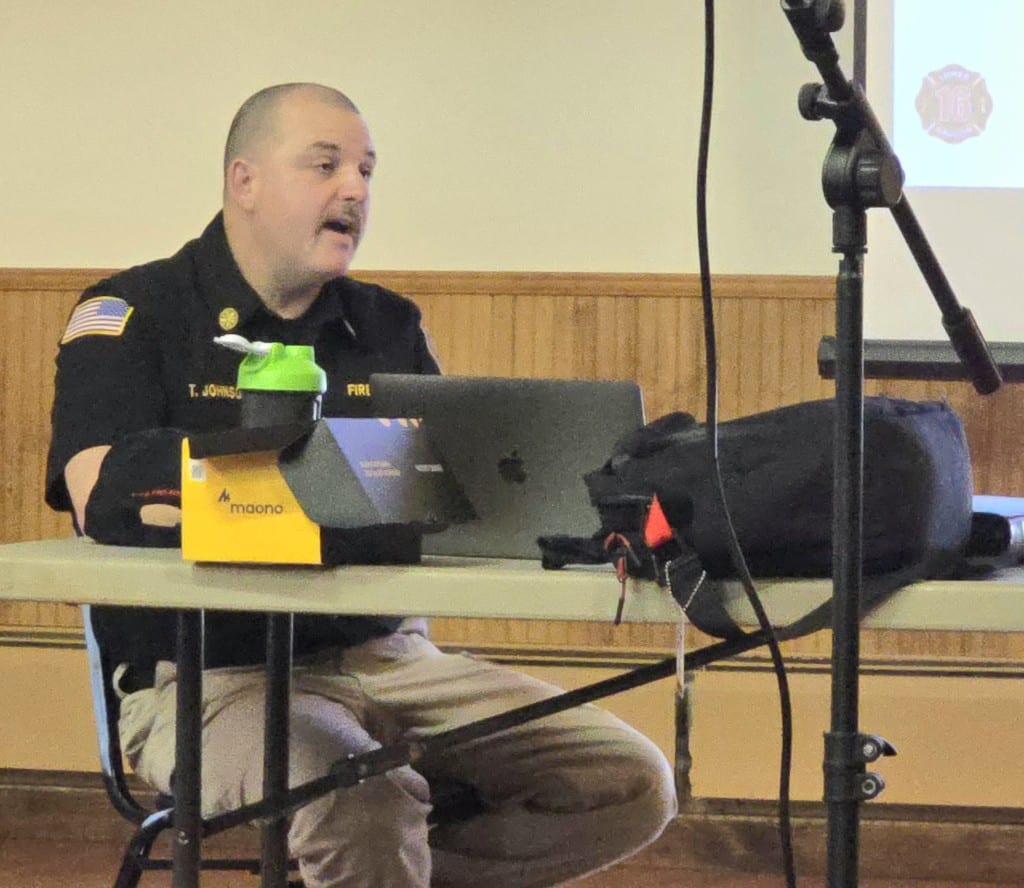
Both Johnston and Krycia said that even if Lower Saucon Township Council votes to authorize expanding the company’s cost recovery program, they are under no illusion that it will solve the fiscal concerns now plaguing many volunteer companies.
That is because in many cases, despite billing for legitimate recovery costs, there is no payout by the insurance company.
Krycia said the billing provider LSFR uses makes three attempts to collect reimbursment, and after that considers the collection effort to be “dead” if no payment has been remitted.
In cases involving homeowners who don’t have insurance, officials said there will be no attempt to recover costs.
“We’re not looking for anybody to have any hardships here,” Krycia said.
“We’re trying to stay ahead of the problem,” said Johnston.
Lower Saucon Fire Rescue currently receives funding from the township’s fire tax, which at .9 mills generates approximately $420,000 a year in revenue.
Township council president Laura Ray was in attendance at the meeting and said she disagrees with a decision by council several years ago–before she was a member–to lower the fire tax rate.
Former councilwoman and current Lower Saucon Township Council candidate Donna Louder was also in attendance and said that when she was a member of council and the fire tax was increased to 1 mill, many residents supported the move because it was to help improve public safety. She added that she was unhappy when a subsequent council “undid work that I did.”
Several residents questioned what the future of Lower Saucon Fire Rescue looks like, given the financial challenges the company is facing and the fact that they will remain even with an expanded cost recovery program.
Both Krycia and Johnston said the next step in terms of continuing to protect the township would potentially be to fund a paid daytime fire crew, which some Bucks County departments already do. They said LSFR is fortunate to have volunteer members who are often able to leave their day jobs with the township’s public works department or local privately-owned businesses such as Crushcrete in order to fight fires, but they said that availability isn’t always guaranteed.
Township resident Andrea Wittchen said she believes it is vital that the township’s residents fully fund the services they receive, and that the fire company’s volunteers shouldn’t have to hold a hat out in order to make ends meet. Yet Krycia recalled that back in 1990, when he first joined the department, the fire station’s heating bill was paid by “passing the hat.”
Johnston said the fire company’s current annual appeal to residents has a 21 percent return, which is relatively high for volunteer companies. Lower Saucon Township has approximately 11,000 residents, and if all 4,200 township households responded to the appeal by contributing the requested amount of $80 “we wouldn’t have this problem,” he said.
Lower Saucon Township Council is scheduled to discuss expanding the cost recovery program during a public hearing at the Wednesday, April 16 council meeting, which begins at 6:30 p.m. at Lower Saucon Town Hall. The meetings are also livestreamed on the township’s YouTube channel.
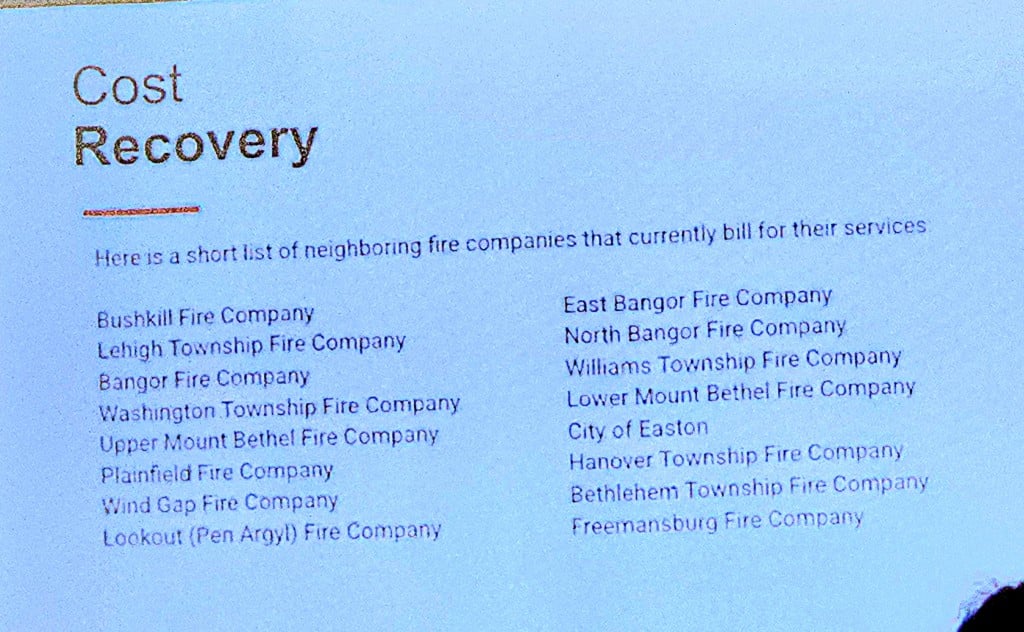
Below are images of some of the slides that were part of the Lower Saucon Fire Rescue cost recovery presentation on April 14.
Author