Dietitian Give Patients ‘A Soft Place to Land’ at Bethlehem Practice
When it comes to treating eating disorders, registered dietitian Megan Luybli, MS, RDN, LDN, believes the traditional approach that separates nutrition counseling from therapy is less beneficial than one that combines both areas of expertise under one roof. So she founded a business where clients receive support from both sides of the aisle, all in one place.
“Our clients have told us that it feels like we’re patient advocates,” said Luybli, who graduated from Southern Lehigh High School before earning a B.S. degree in Food & Nutrition Science from the University of Vermont. A Hellertown resident, she also holds a Master’s Degree in Community Nutrition from West Chester University. Since she opened A Soft Place to Land four years ago, the business has not only helped hundreds of clients, but also received recognition in the form of awards, such as Lehigh Valley Style’s Best Nutritionist accolade in 2023.
Located in Bethlehem, in addition to Luybli A Soft Place to Land employs two other registered dietitians and a therapist who work with individuals aged 10 and older. A major benefit of offering both psychotherapy and nutrition counseling is that it keeps everyone on the same page, she said, and streamlines communication with other treatment partners.
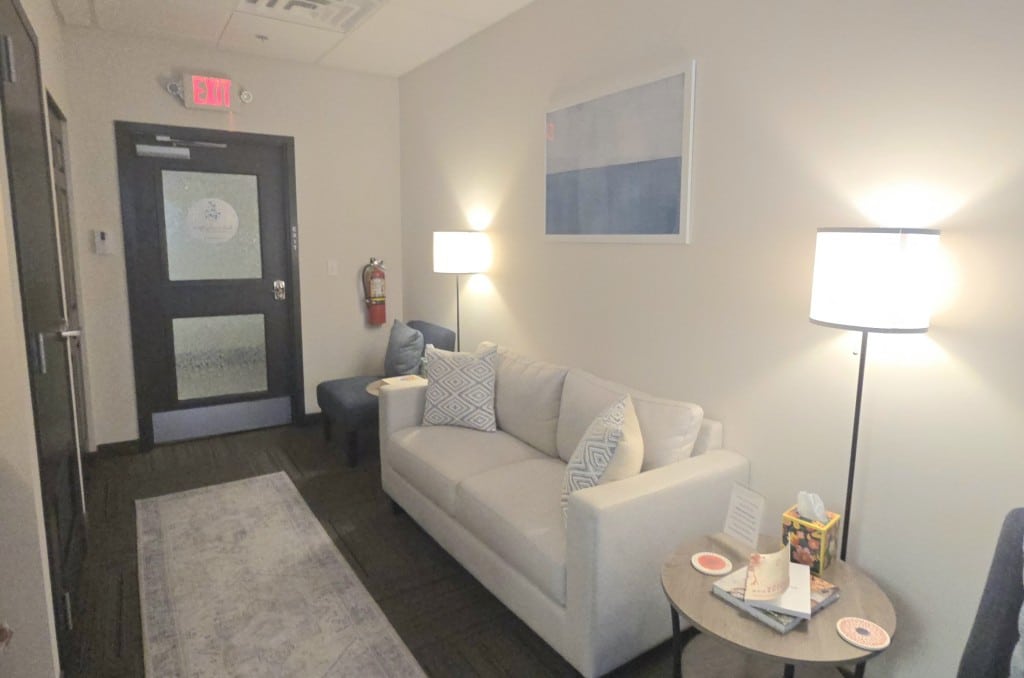
For example, the staff at A Soft Place to Land will alert other providers if they know a client doesn’t want to be weighed.
“People need to feel safe in a health care setting or they won’t go back,” she said.
Some common issues that are addressed by Luybli and the other practitioners at A Soft Place to Land include:
• Orthorexia, which is a fixation on “healthy” eating.
• “Food rules,” which Luybli said can consist of things like a preoccupation with acceptable times for eating or an insistence on drinking water before consuming food.
• Avoidant/Restrictive Food Intake Disorder (ARFID), in which individuals limit their consumption of foods due to sensory/texture issues. Luybli said this disorder can sometimes be attributed to having a finicky appetite, but “goes beyond picking eating.”
• Substandard or nonexistent care that a client received due to not fitting the stereotype of a ‘typical’ eating disorder subject.
A Soft Place to Land is a fully weight-inclusive practice that makes it a point to support clients with marginalized and oppressed identities, including LGBTQIA+ and neurodivergent clients; something that is expressly stated on their website.
Luybli said many clients she sees have disordered eating due to past trauma as well as unrealistic beauty standards based on American diet culture. This pervasive culture indoctrinates people into the belief that weight loss will equal beauty and success; a belief, she explained, that has been normalized and perpetuated by the multibillion dollar weight loss industry.
“‘The diet failed you,'” is something Luybli said she tells clients. “‘You didn’t fail the diet. The diets are designed to fail.'”
She said that in some ways, changing an individual’s belief system presents its own challenges, because it requires them to embrace a new reality.
“It feels like everyone has these rose-colored glasses and once you take them off it is so hard,” she said. “It takes a lot of mental energy to do the work.”
Although eating disorders aren’t new, Luybli said the Covid pandemic caused an uptick in the number of teens battling them. More recently, the prevalence of so-called GLP-1 weight loss medications–drugs that were originally developed to treat diabetes–has put added pressure on individuals who may already be struggling to maintain a peaceful relationship with food and their bodies.
Luybli noted that the medications can contribute to nutritional deficiencies if not monitored properly, and that many people are being prescribed them without full informed consent of how they work, potential side effects and when or how to stop taking them.
Social media, including Tiktok, is another potential source of misinformation and stress, Luybli stated. The popular app features tens of millions of influencers peddling often unrealistic and even dangerous ideas about food and body image via content such as “What do you eat in a day” videos, which Luybli said can instill a level of fear in impressionable viewers.
Fortunately, there is hope and help for anyone suffering from an eating disorder. The first step toward happiness often begins with having the courage to admit that outside assistance is needed, and at A Soft Place to Land, the journey to healing begins with a 15-minute free consultation called a discovery call that can easily be scheduled on their website.
Luybli stressed that although the practice offers clients the option to meet in-house with nutrition counselors and a therapist, they can also choose to work with one type of specialist or another, based on their needs. Both dietitians are currently working with clients remotely, and the therapist is able to meet patients in person or virtually. The practice also accepts some insurance plans, and is working to be an in-network provider for therapy services for more plans in the future.
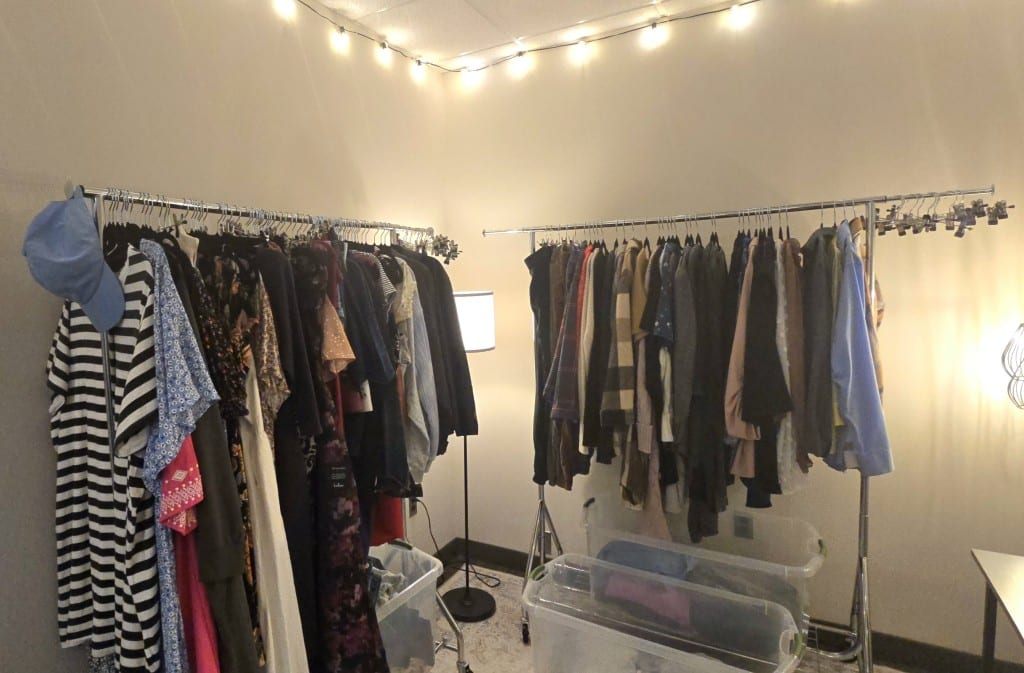
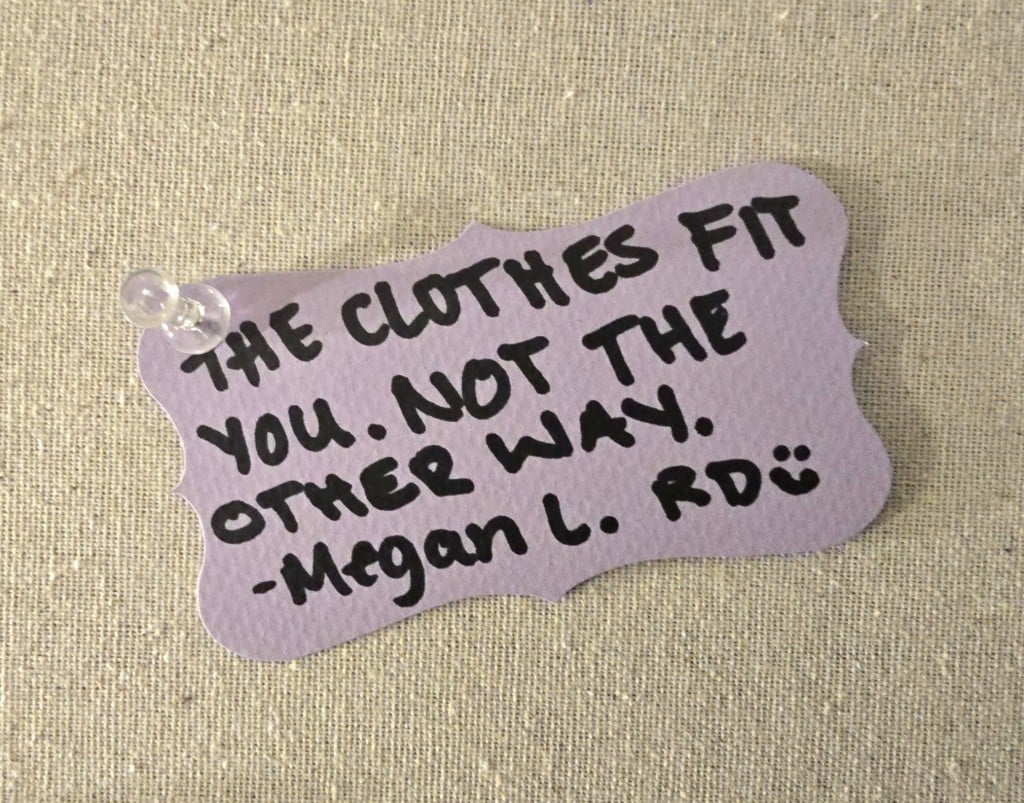
Another resource A Soft Place to Land provides is its free thrift closet, which aids in recovery by being a safe space in which both clients and non-clients can try on clothes before adding them to their wardrobe at home. The joy of feeling good in a piece clothing is something individuals with eating disorders may have lost. Reclaiming it is a step on the road to recovery.
“Body autonomy is so important,” Luybli explained.
For more information about A Soft Place to Land or to schedule a discovery call, visit Asoftplacetolandllc.com or email hello@asoftplacetolandllc.com. A Soft Place to Land is located at 65 E. Elizabeth Ave., Suite 117, Bethlehem, PA 18015.
Author