Op-Ed: Taxpayers Are Paying a ‘Legacy Tax’ for Public Notices
This column is shared with Saucon Source by fellow digital news publisher Tom Sofield of LevittownNow, NewtownPANow and New Hope Free Press. Whether it’s a school board deciding on a […]

This column is shared with Saucon Source by fellow digital news publisher Tom Sofield of LevittownNow, NewtownPANow and New Hope Free Press. Whether it’s a school board deciding on a […]
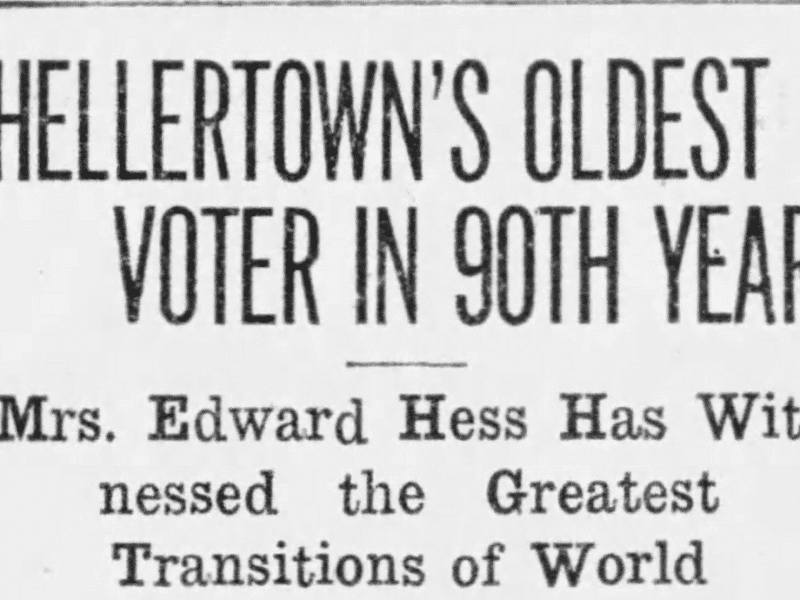
The right to vote has always been a sacred one for many Americans, but all Americans haven't always had the right to exercise it. In Pennsylvania, women could not vote until the ratification of the 19th Amendment to the Constitution in 1920, which makes a 1922 article about an elderly Hellertown woman casting her ballot all the more poignant.
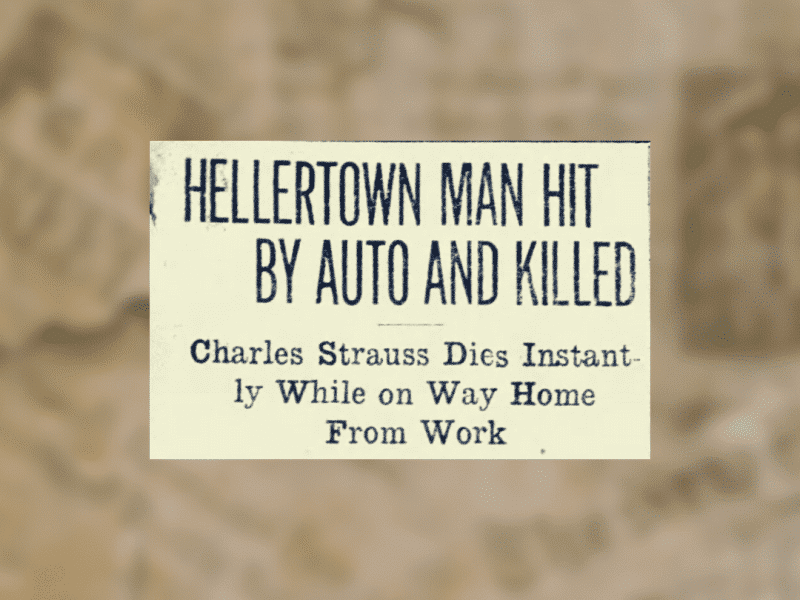
The Christmas of 1922 was no doubt a sad one for many Hellertown residents, who were mourning the Dec. 23 death of a borough man killed in an accident on Wassergass Road.

Although most of us know it only as a modern, thoroughly commercialized holiday, newspaper stories and ads are proof that Valentine's Day was popular with the young, the sentimental and those whose businesses catered to them well over 100 years ago.
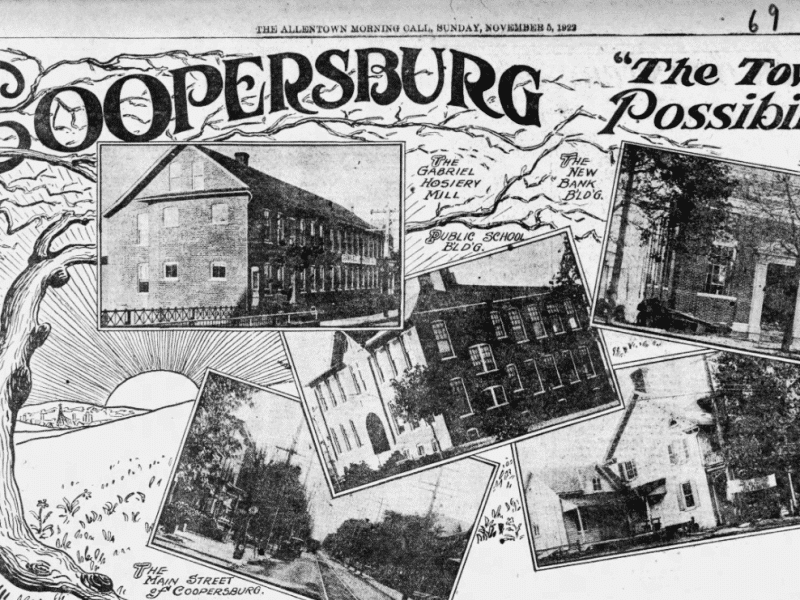
A century ago, in a special full-page, illustrated story published on Nov. 5, 1922, The Allentown Morning Call proclaimed Coopersburg "the Town of Possibilities." But 100 years earlier it wasn't known as Coopersburg and was little more than "a country village."

Exactly one hundred years ago, the residents of the small borough of Hellertown (population: 3,008 in the 1920 Census) were busy preparing for Christmas.
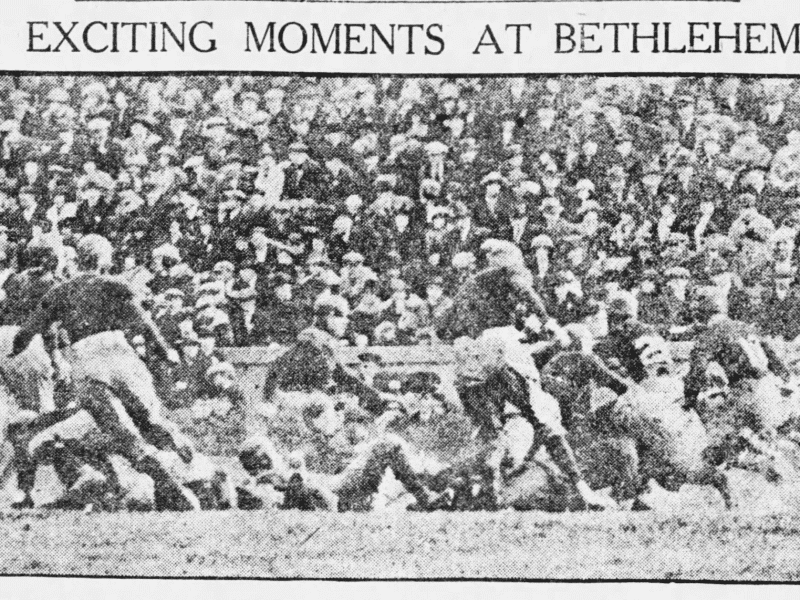
Ninety-nine years ago, the residents of the Lehigh Valley were just as excited for Thanksgiving as they are today, according to historic newspaper clippings from 1922.

Having a "Halloween season" that lasts from roughly Labor Day until Oct. 31 is a relatively recent phenomenon, but the beloved holiday when all things spooky-scary are celebrated was already quite popular in eastern Pennsylvania nearly a century ago.

The popular perception that in the 1800s American justice was meted out with less compassion than it is today seems to jibe with the facts of a case reported by The Allentown Democrat on June 27, 1883.